





The summer school was financed as part of the project ‘Development of the internationalisation of the University of Silesia in Katowice through the Transform4Europe alliance’, co-financed by the Polish National Agency for Academic Exchange (NAWA) from European funds of the European Fund for Social Development 2021-2027 (FERS), NAWA project ‘Support for European University Alliances’, project number: BPI/WUE/2024/1/00021.
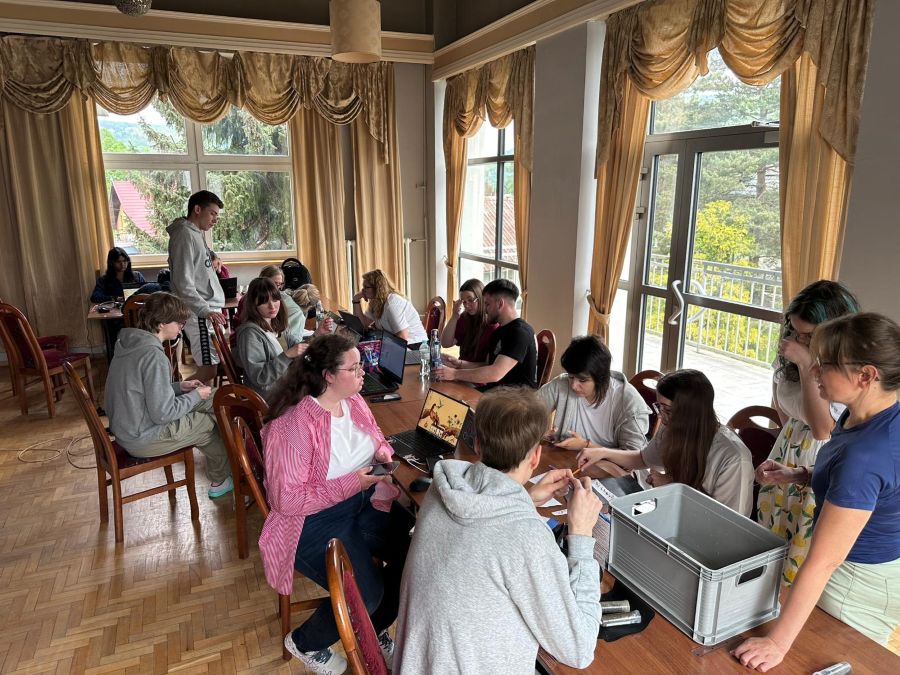
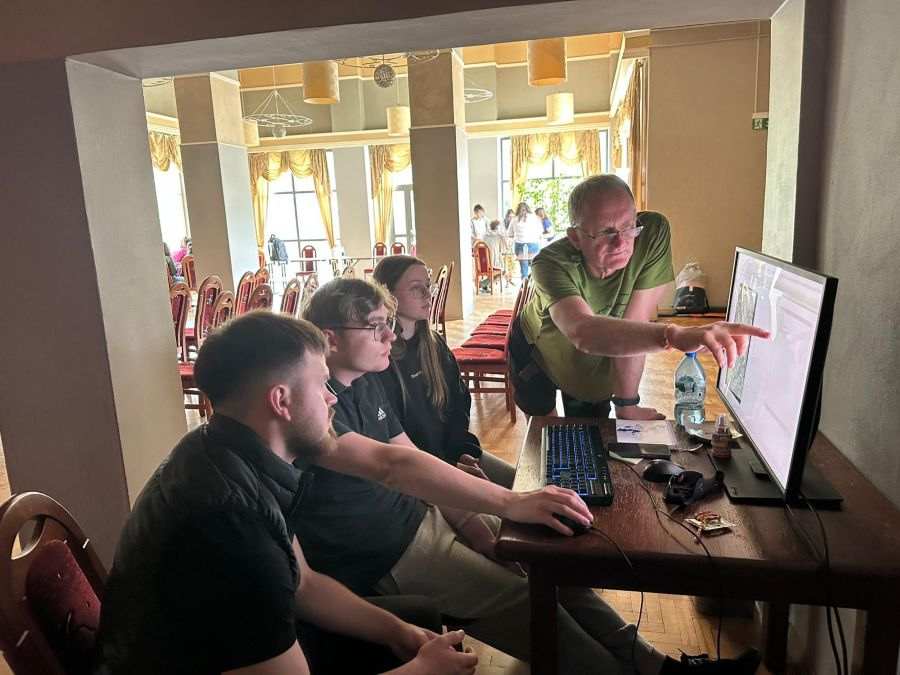
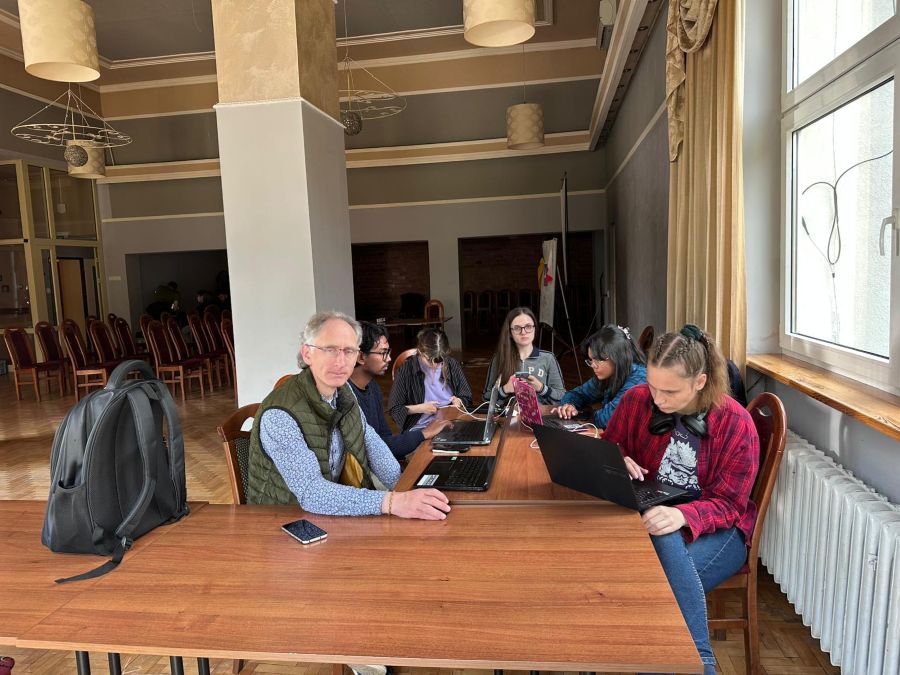
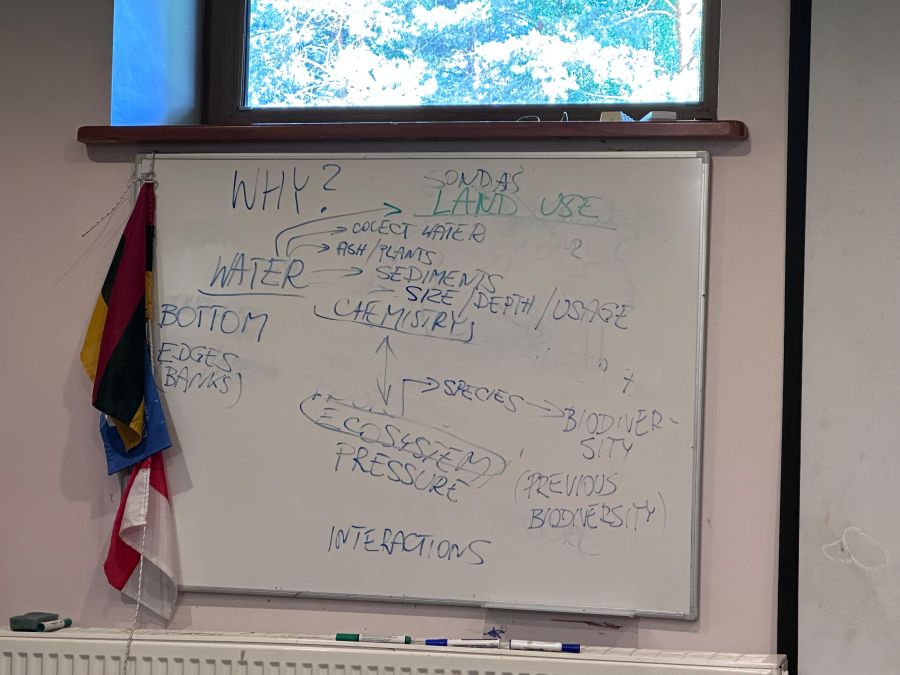
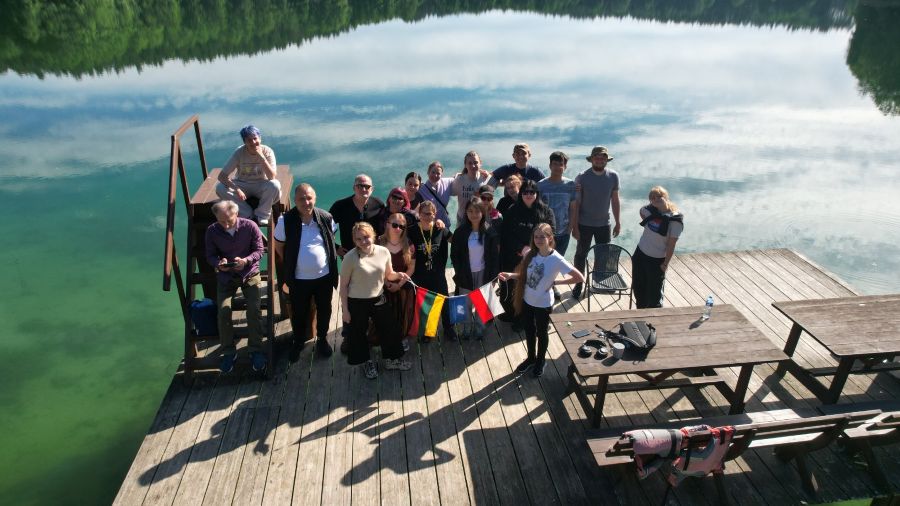
During the summer of 2026, two International Summer Schools of Aquamatics were held. Each school brought together ten students from the University of Silesia in Katowice and Vytautas Magnus University in Kaunas. Each edition offered an intensive introduction to the field of aquamatics. Over the course of five days of practical fieldwork, participants explored both the theoretical foundations and practical applications of water and aquatic environment research, as well as scientific data analysis methods related to water monitoring, particularly in the context of global climate change, which is having an increasingly significant impact on the Earth’s water resources.
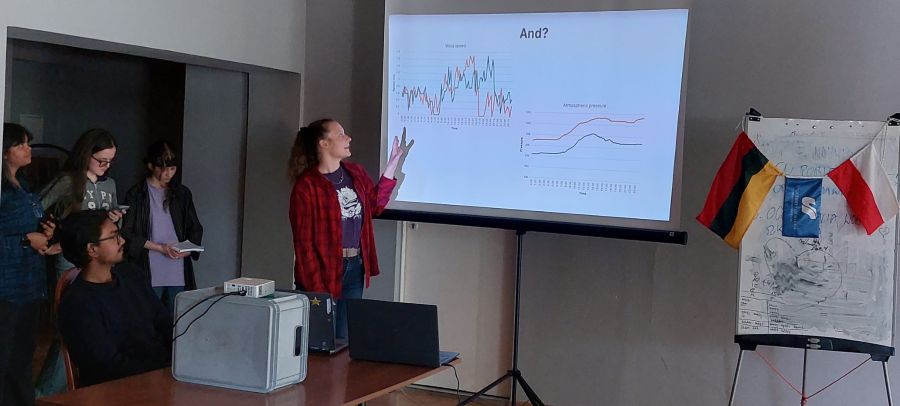
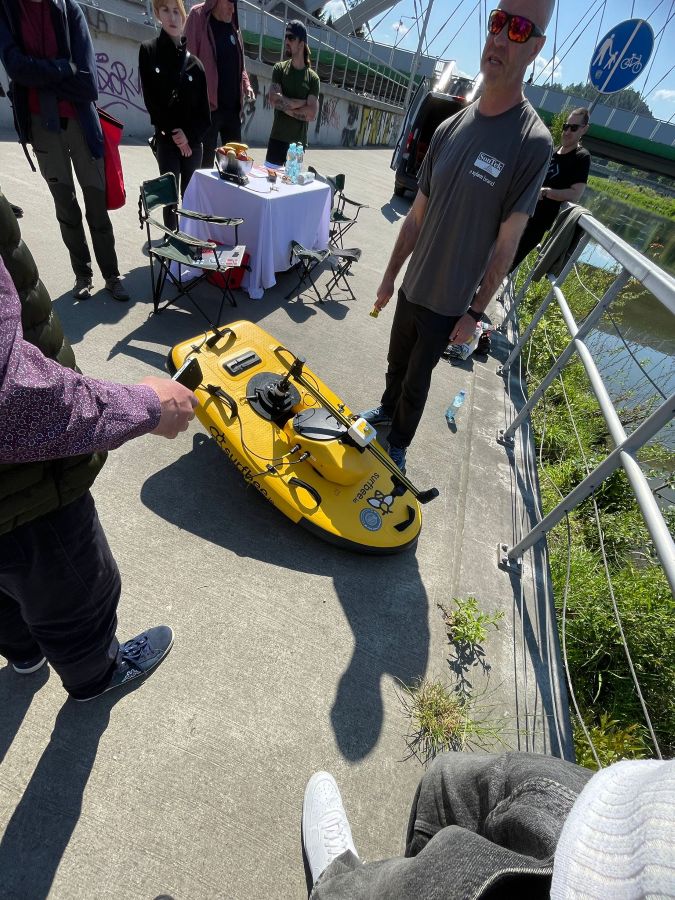
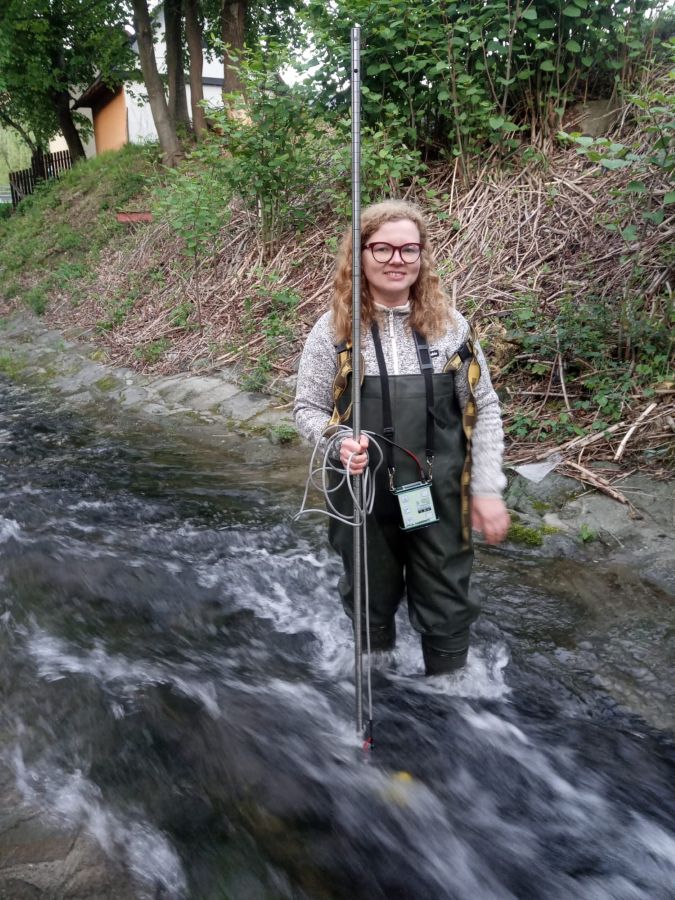
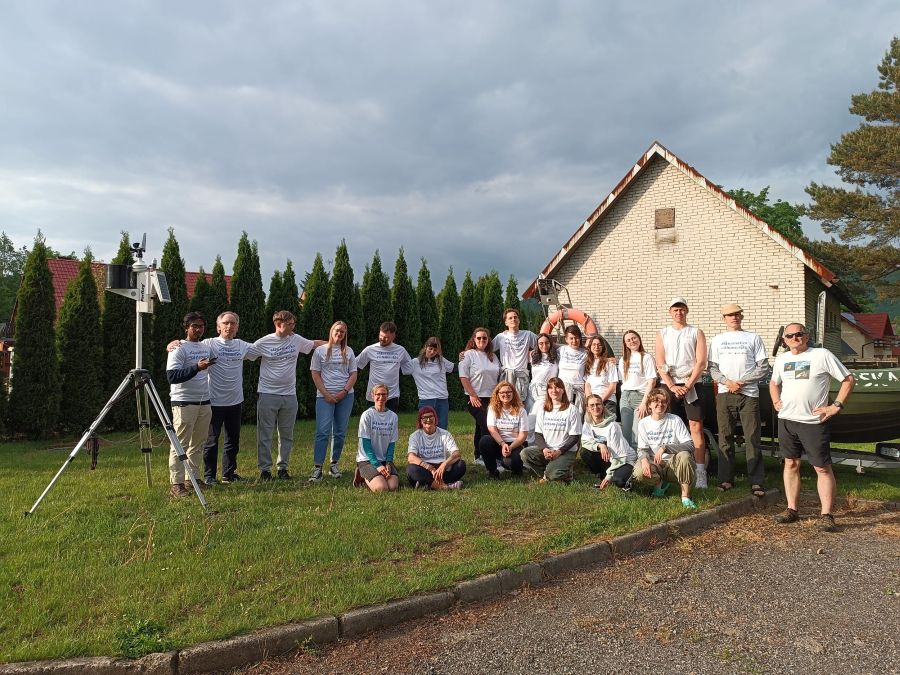
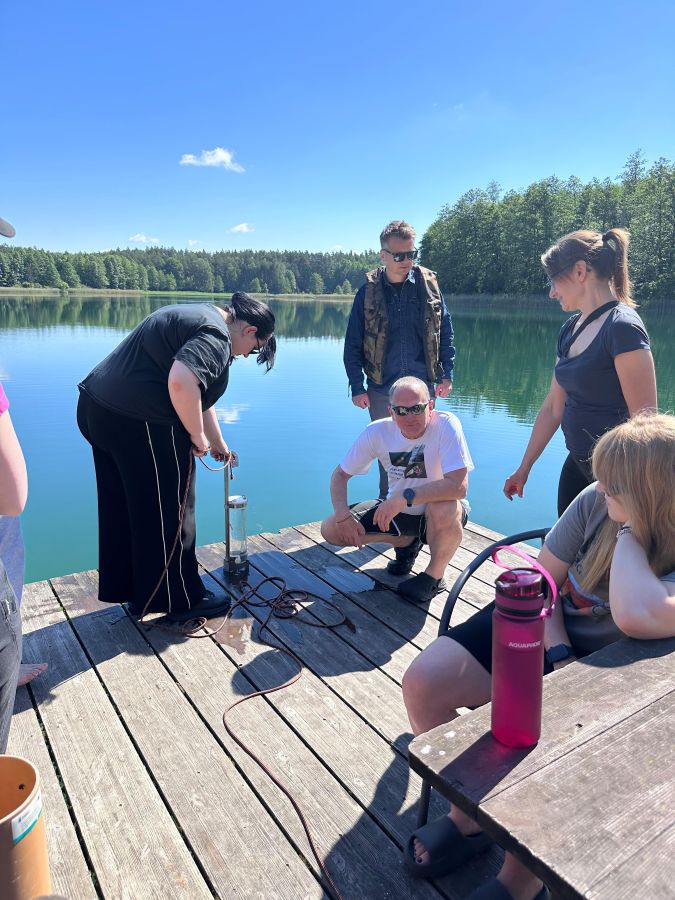
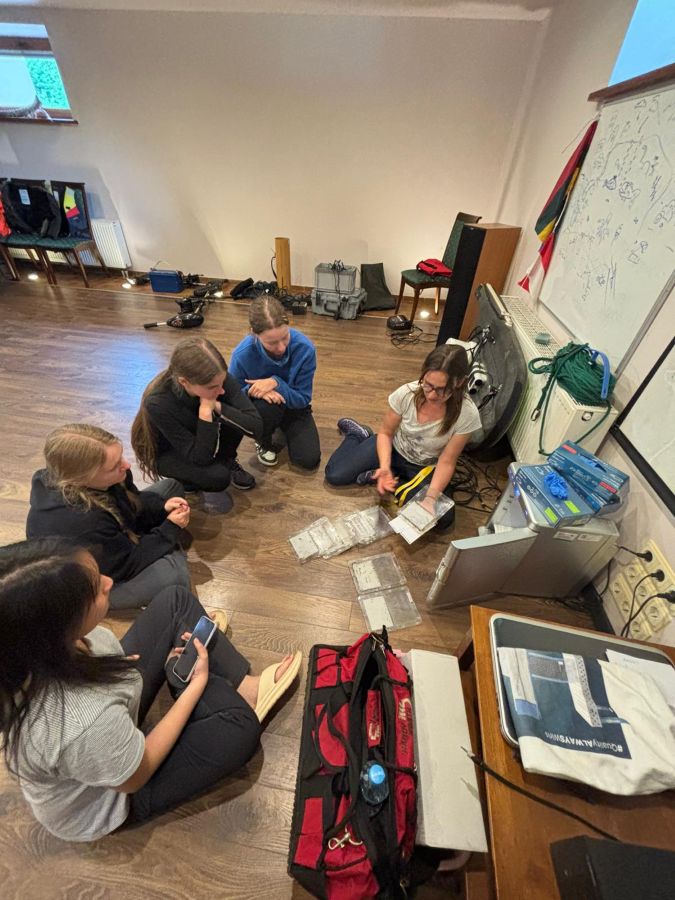
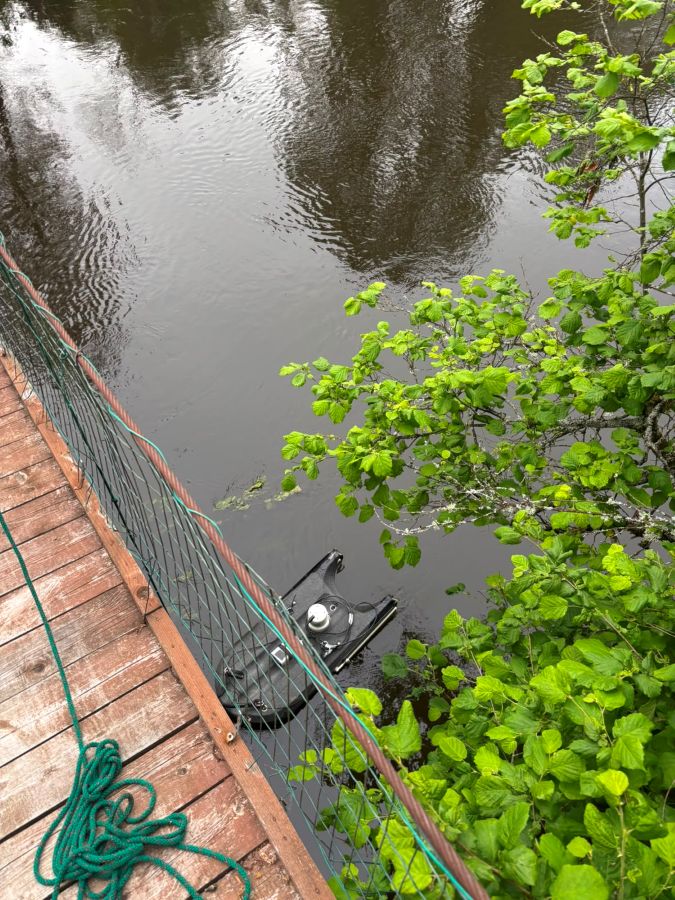
Throughout the programme, academic staff from both partner universities shared their expertise and practical experience in bathymetric surveying, ecotoxicological testing, and water quality assessment. Together, we explored the interdisciplinary links between scientific disciplines that contribute to modern water resource and aquatic ecosystem management. Each Summer School focused on a different body of water with its own unique origin and characteristics, providing participants with diverse research experiences. During both events, continuous meteorological monitoring was also carried out. A portable weather station recorded air temperature, wind speed and direction, and precipitation every fifteen minutes. Unsurprisingly, the measurements confirmed that weather conditions played an important role throughout the fieldwork.
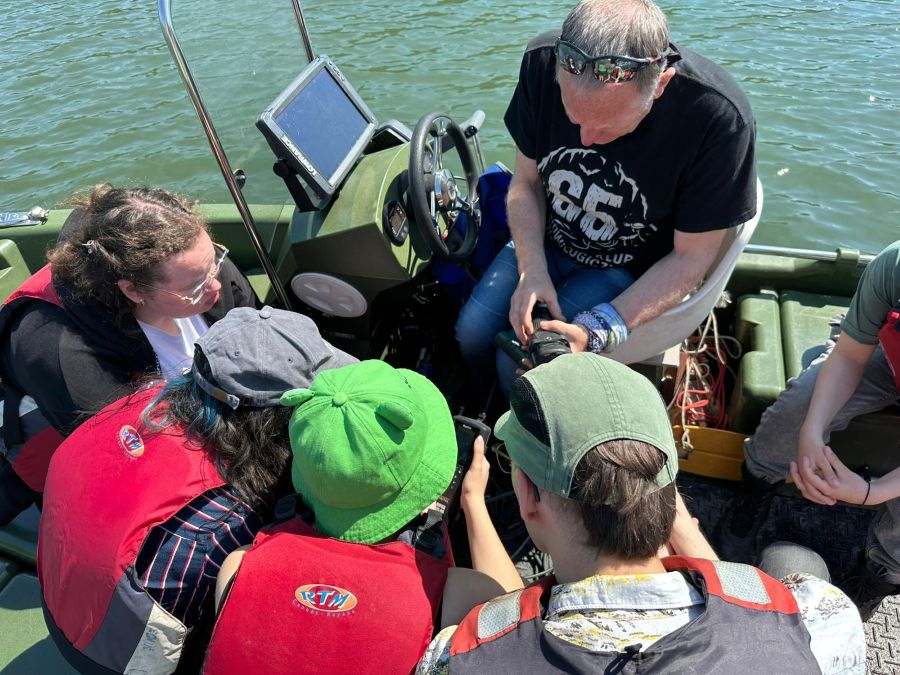
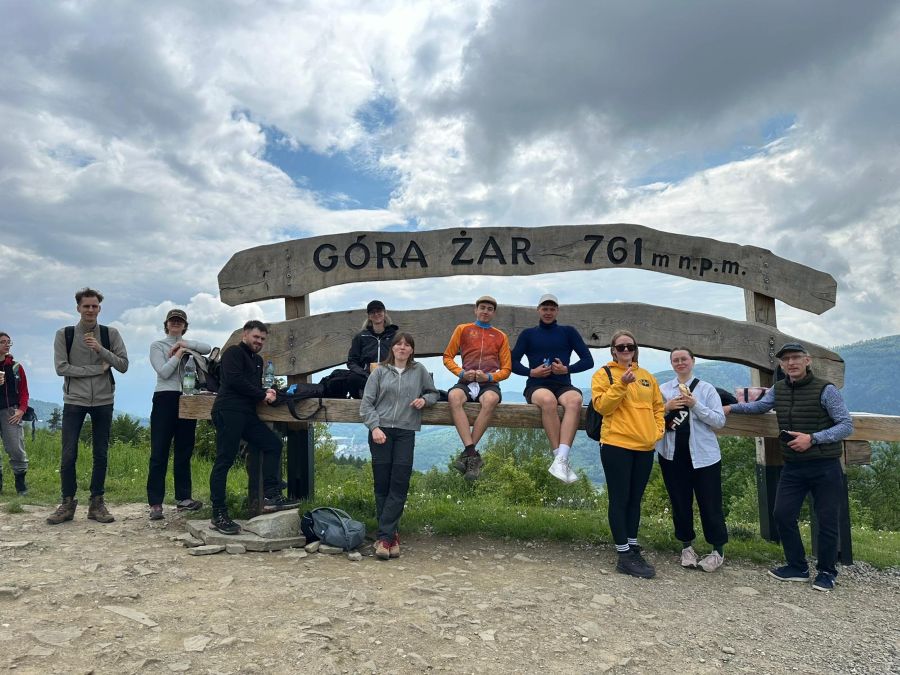
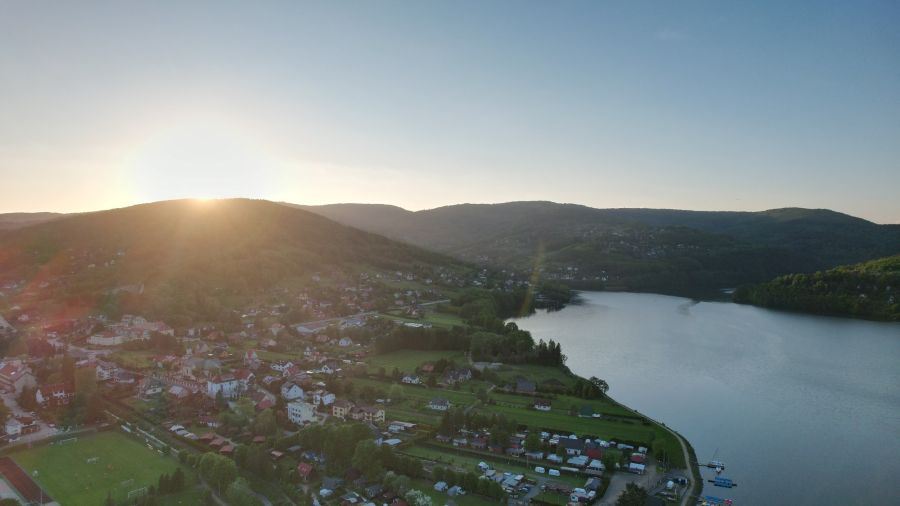
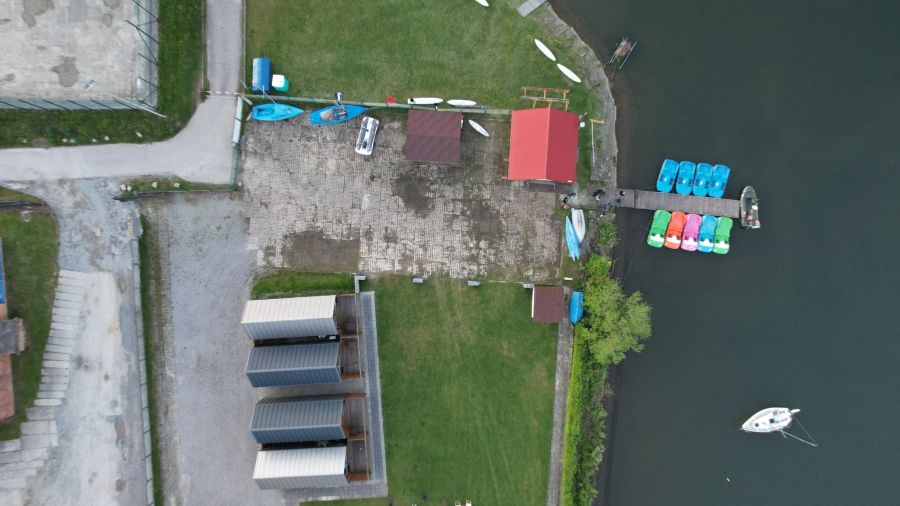
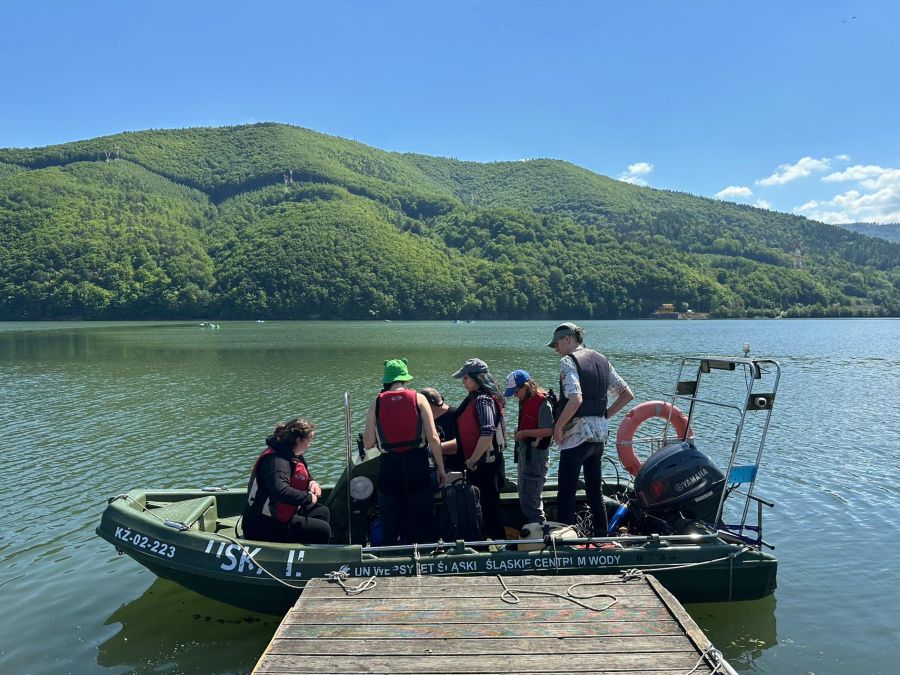
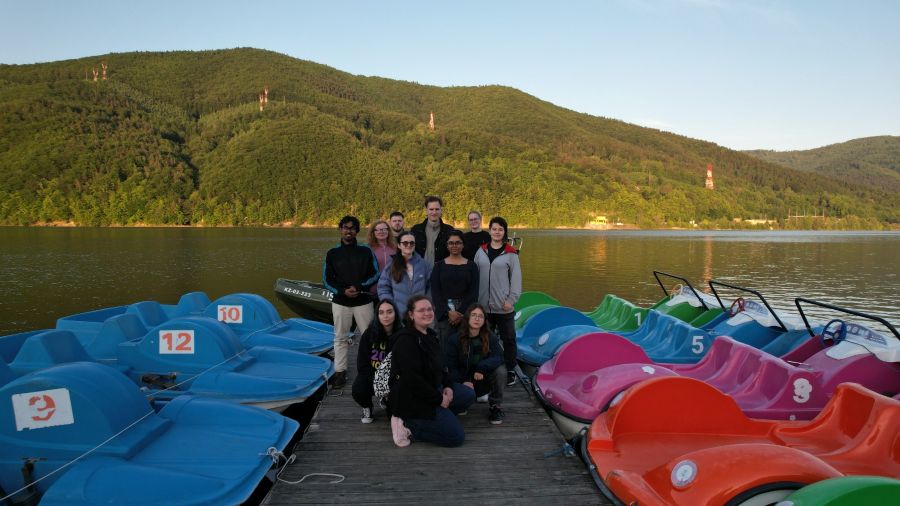
The 2nd International Summer School of Aquamatics took place from 18 to 22 May in Międzybrodzie Bialskie, on the shores of Lake Międzybrodzkie. This artificial lake was created as one of the reservoirs on the mountain River Soła. Its characteristics, morphology, and environmental challenges were investigated using the research vessel Uśka II. Aboard the vessel, participants collected bathymetric and physicochemical data and took sediment samples for subsequent toxicological analyses. The location also provided an excellent opportunity to learn about the operation of hydropower facilities through a visit to the nearby pumped-storage power plant on Mount Żar.
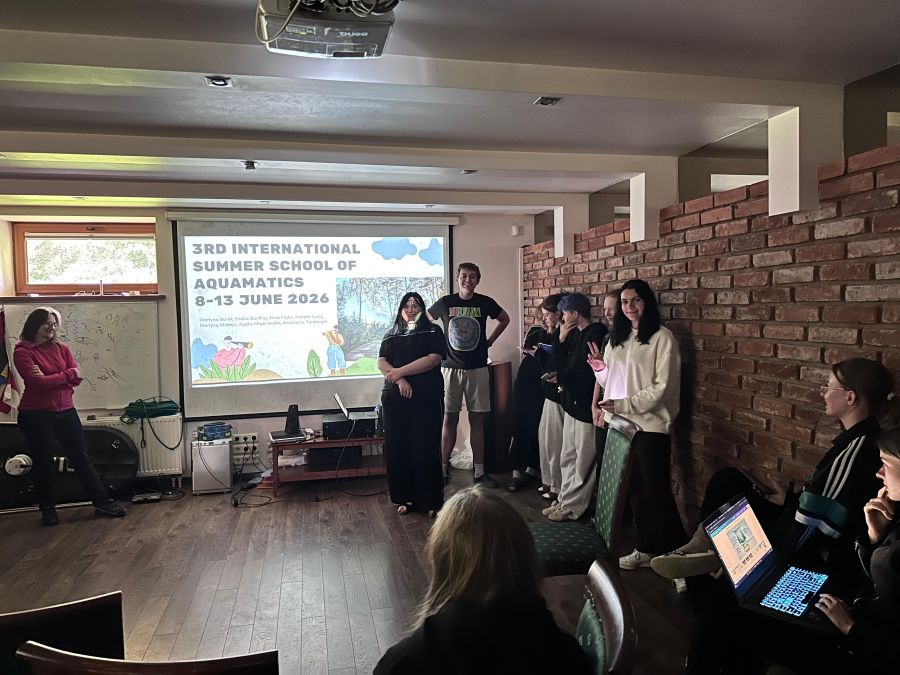
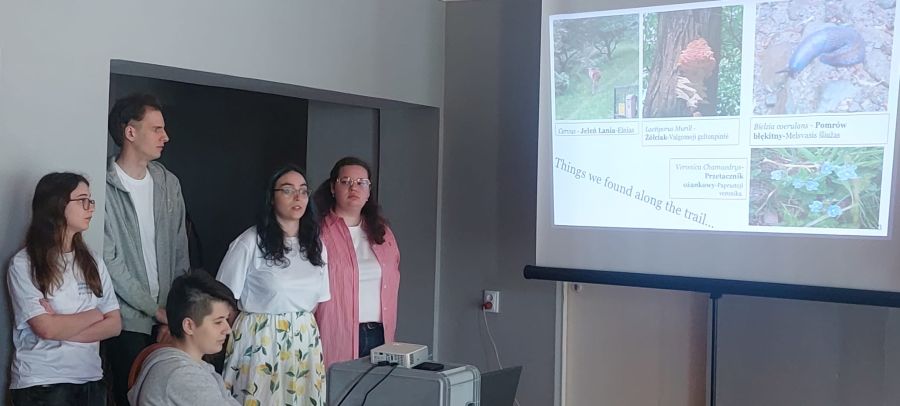
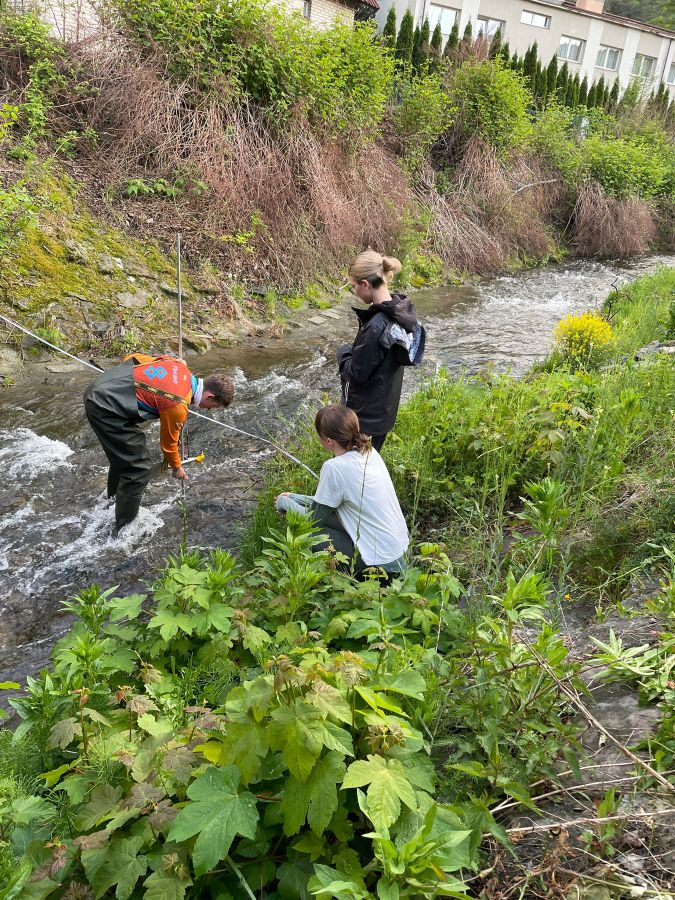
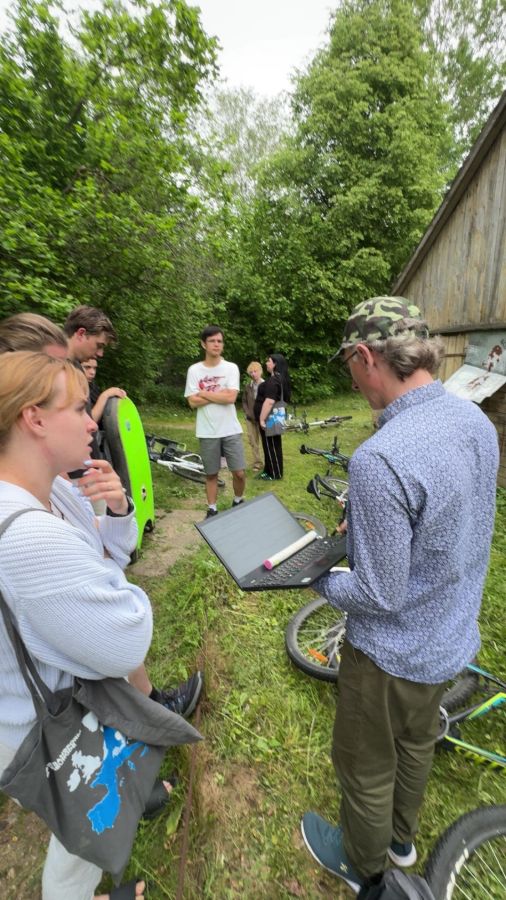
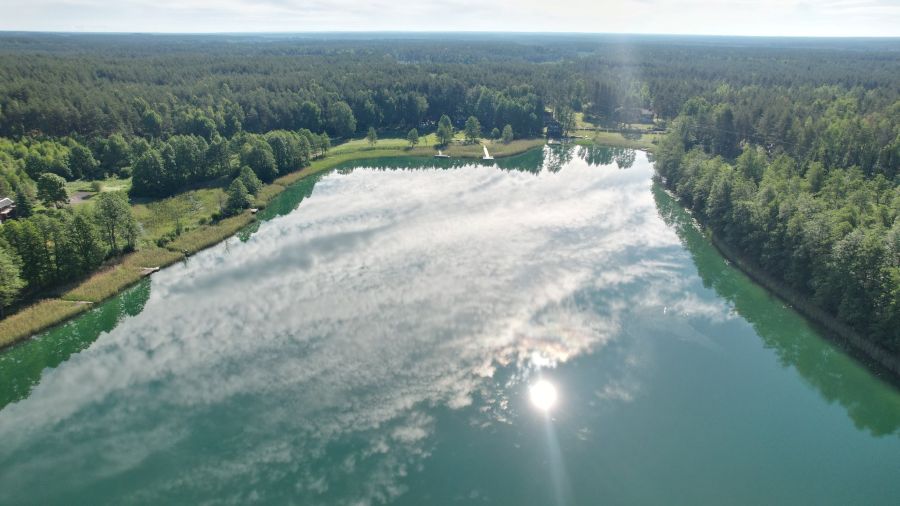
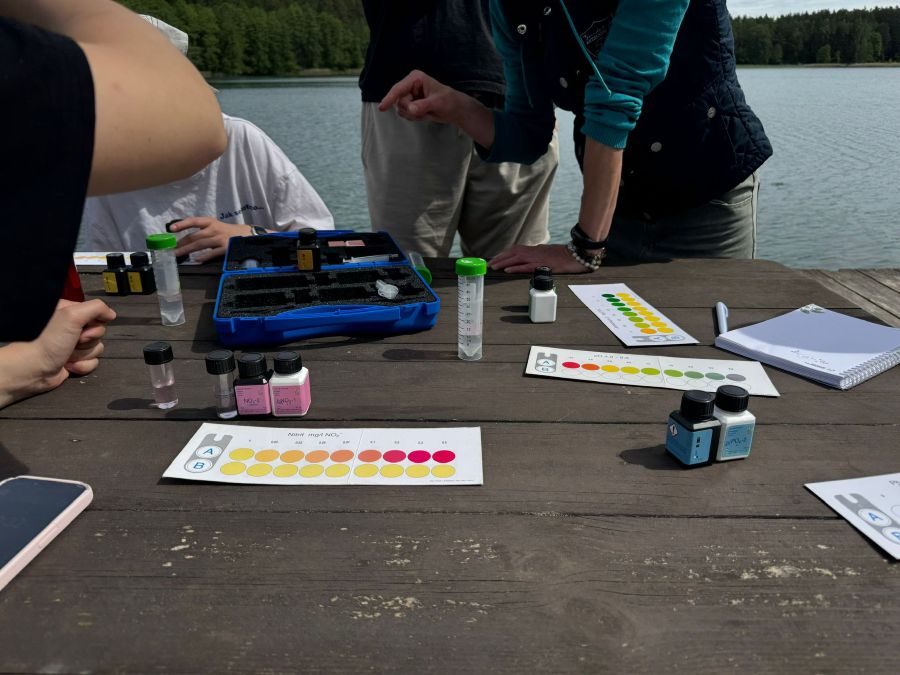
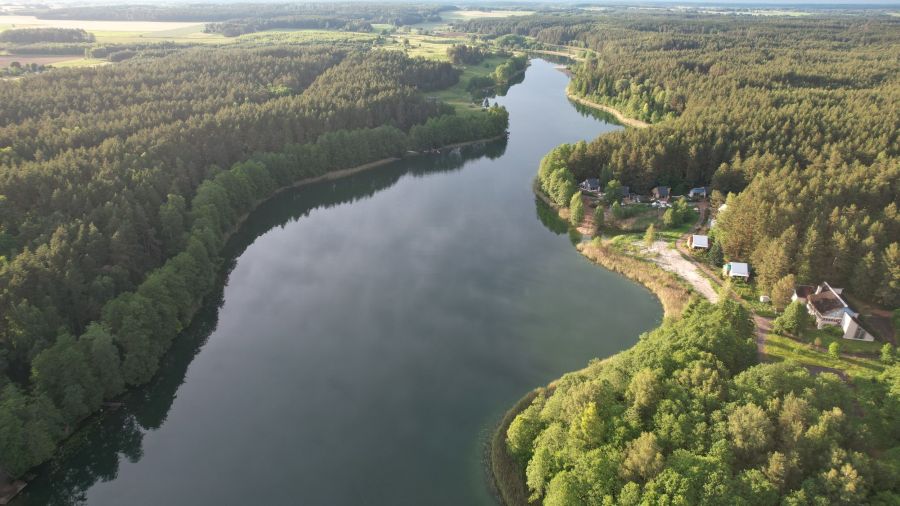
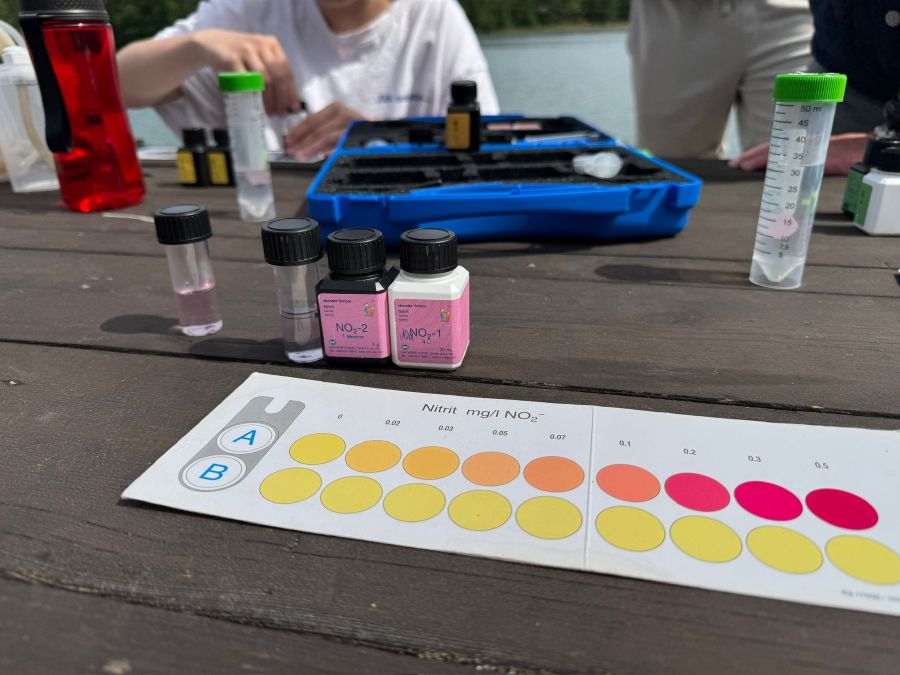
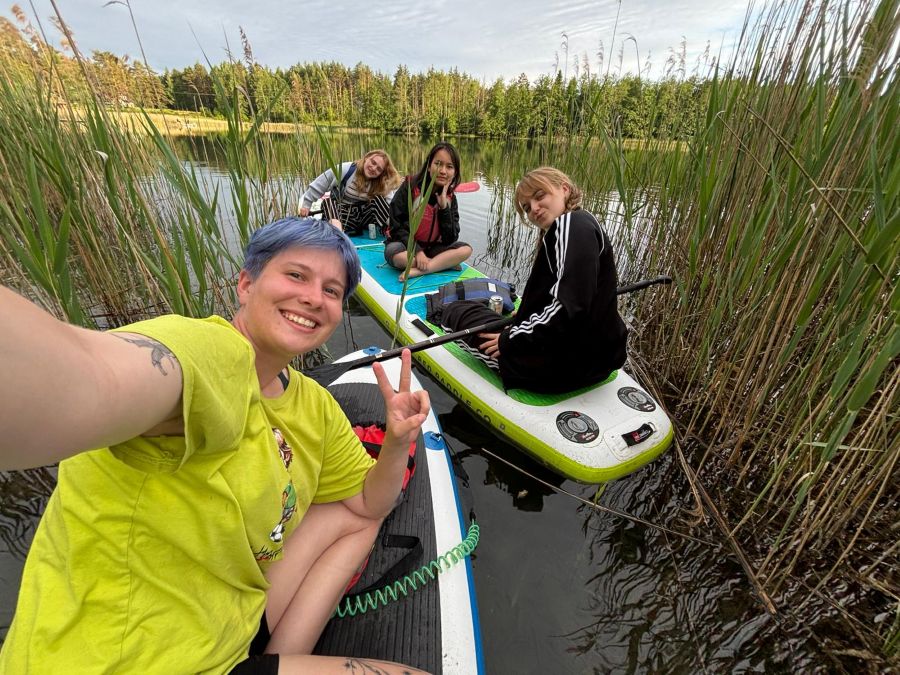
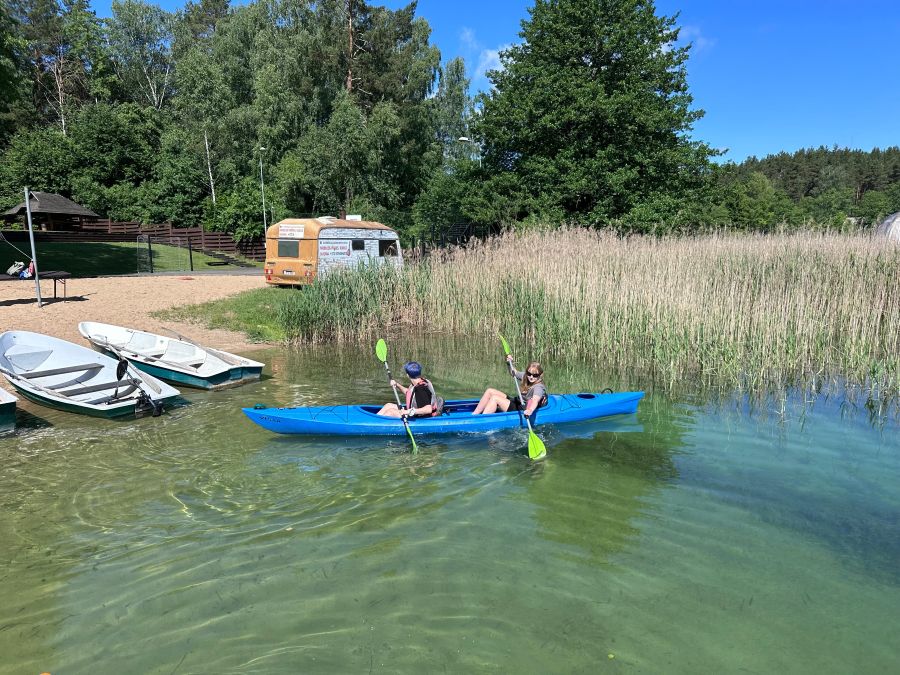
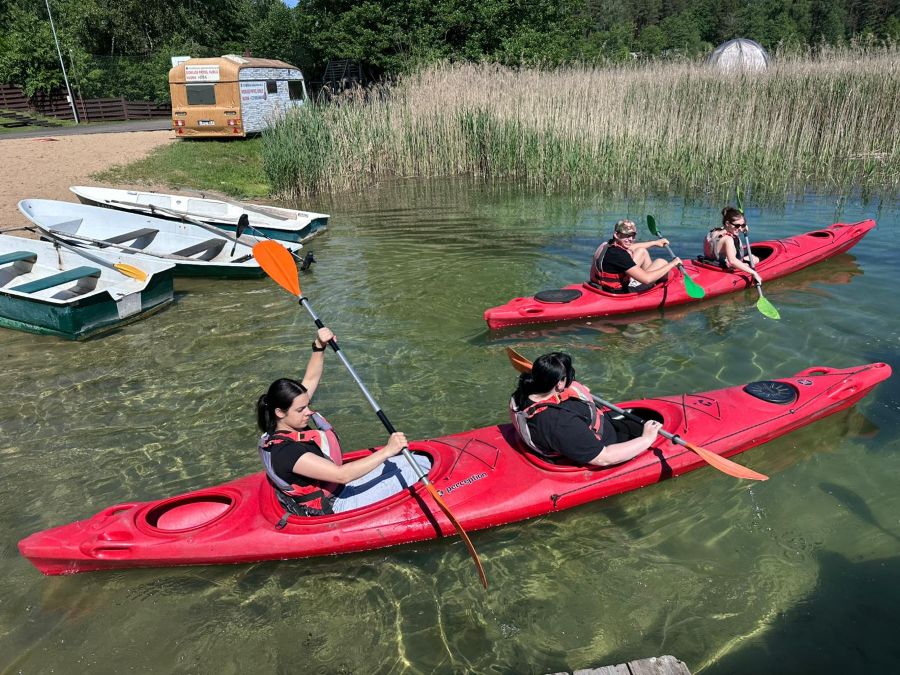
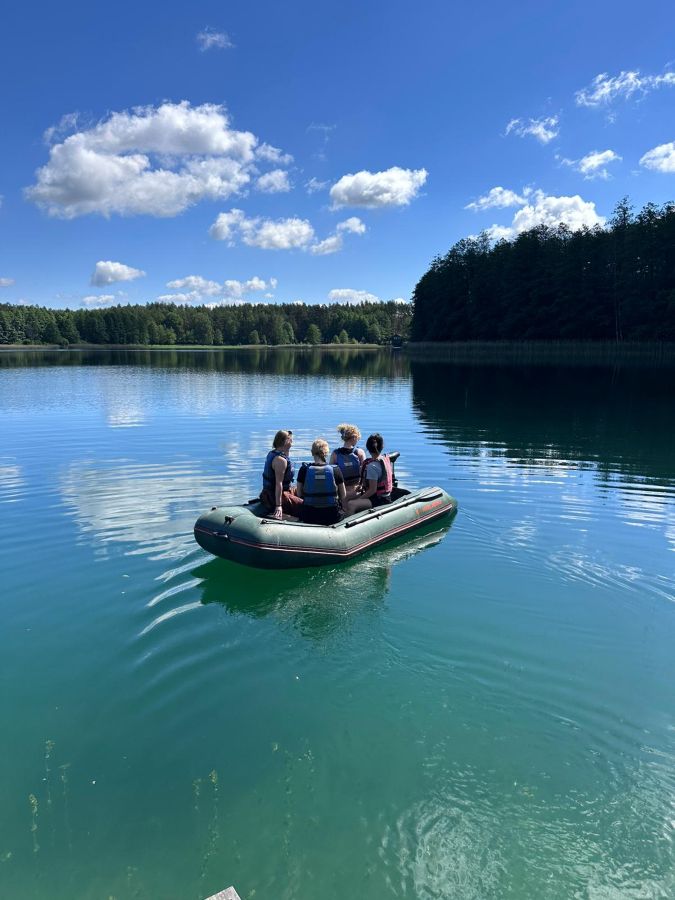
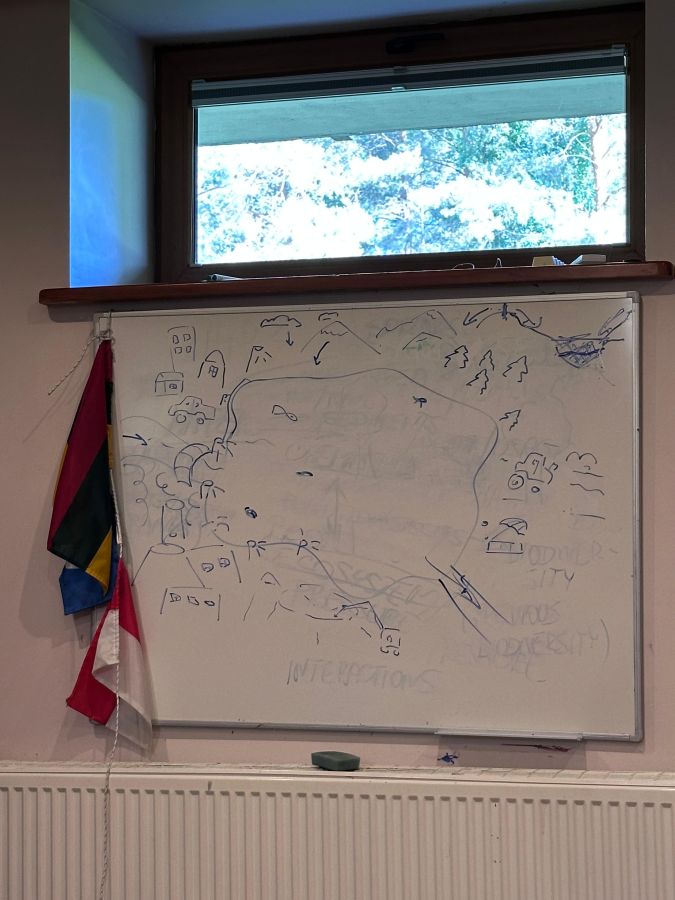
The 3rd International Summer School of Aquamatics was held from 8 to 12 June 2026 in the village of Burokaraistėlė, on the shores of Lake Burokaraistis, surrounded by the forests of the Lithuanian Dainava Forest. This time, participants worked on a natural post-glacial lake with a distinctive L-shaped shoreline. Instead of a research vessel, they used kayaks equipped with sonar systems and water quality probes, together with ecotoxicity testing kits and chemical water analysis equipment. Under the guidance of academic staff, the students carried out a comprehensive survey of the lake and its surrounding landscape, recognising that the study of water also involves understanding the terrestrial environments closely connected to it.
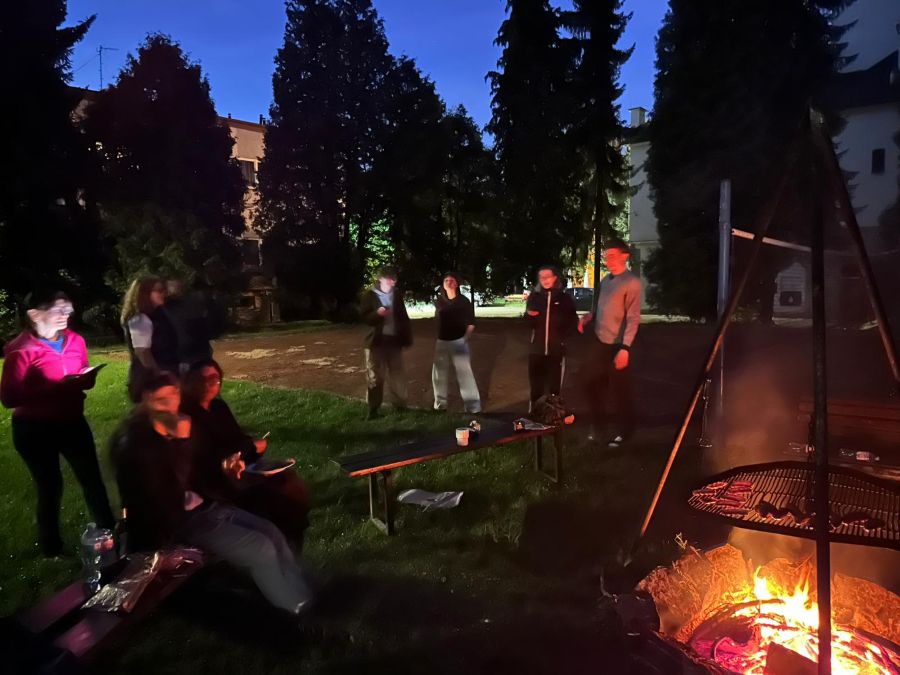
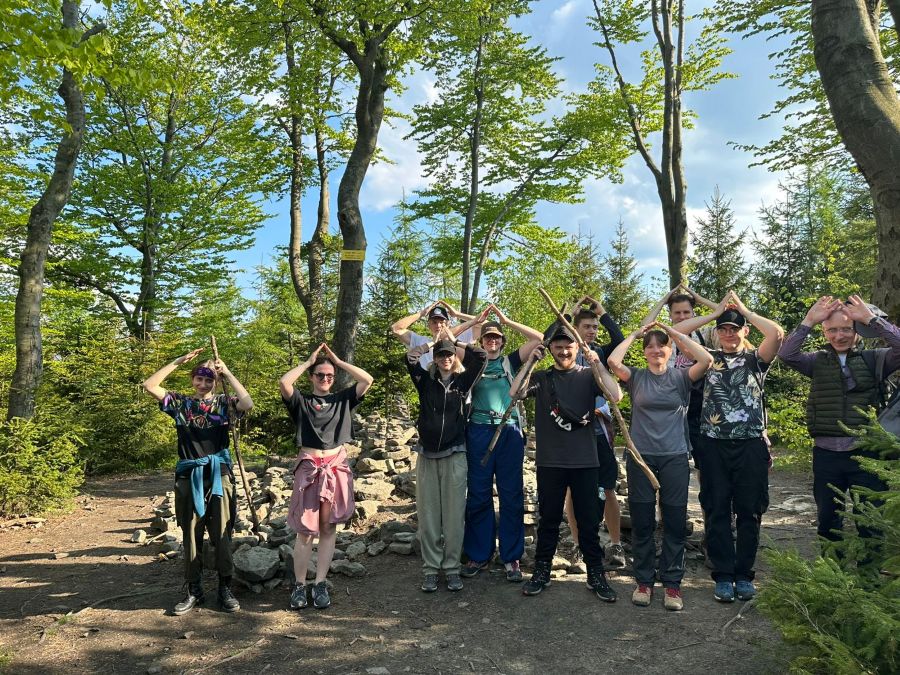
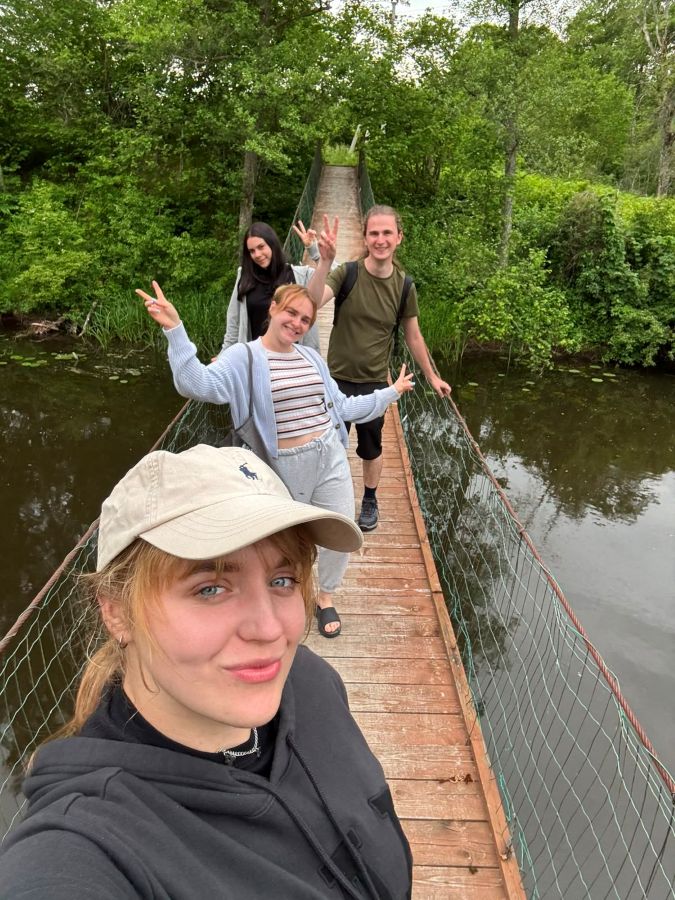
Both Summer Schools provided excellent opportunities to gain first-hand insight into contemporary challenges facing aquatic environments and to better understand the complex relationships between water, the ecosystems that depend on it, and human activity. Equally memorable were the conversations about science and everyday life, the new international friendships and professional connections that were established, the time spent together outside the classroom, and the shared ambition to meet again—this time at a scientific conference, where the research findings generated during the Summer Schools can be presented.