




The Advanced Electrochemical Methods Laboratory focuses on the electrochemical surface engineering of materials and the advanced analysis of electrochemical processes in a wide range of systems – from electrode materials for hydrogen evolution, through corrosion systems, fuel cells, supercapacitors, and sensors, to biomaterials used in tissue engineering and implantology. The laboratory performs high-precision electrochemical measurements, with particular emphasis on electrochemical impedance spectroscopy (EIS), which enables the characterization of the mechanisms and kinetics of surface processes, ion transport, and material conductivity. Comprehensive studies of corrosion resistance in aqueous solutions are conducted, enabling the design of surfaces with optimized durability, functionality, and potential applications in modern electrochemical materials and devices.
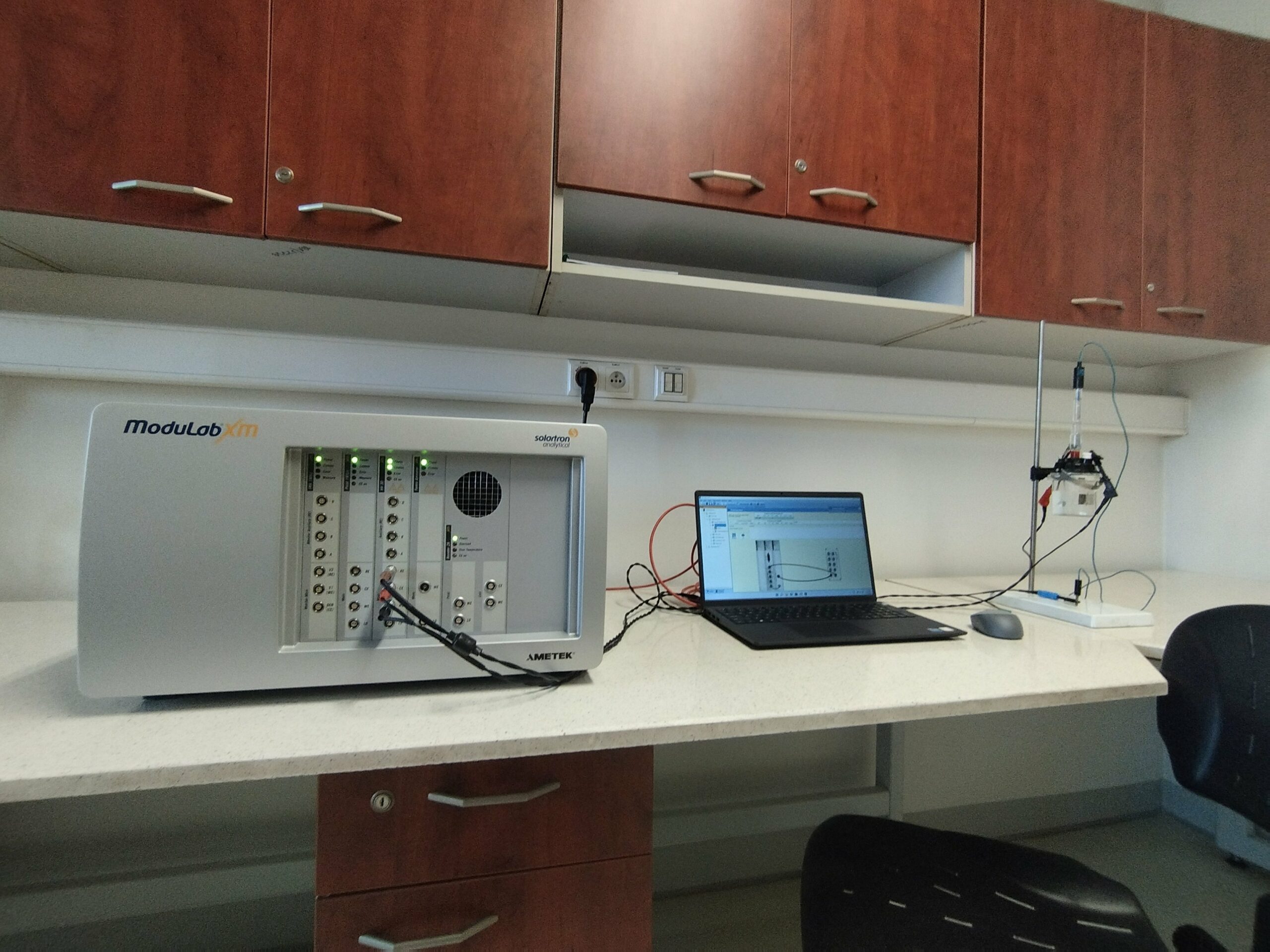
- ModuLab XM ECS ELECTROCHEMICAL MEASUREMENT SYSTEM from Solartron Analytical. This advanced, modular research kit is designed for the comprehensive analysis of electrochemical processes. It enables a wide range of measurements, such as electrochemical impedance spectroscopy, chronopotentiometry, chronoamperometry, cyclic voltammetry, and material capacitance and conductivity measurements. Thanks to its high sensitivity, wide frequency range (from microhertz to megahertz), and precise potential and current control, the system allows for the study of electrode materials and electrochemical cells, as well as corrosion systems, sensors, supercapacitors, fuel cells, and biomaterials.
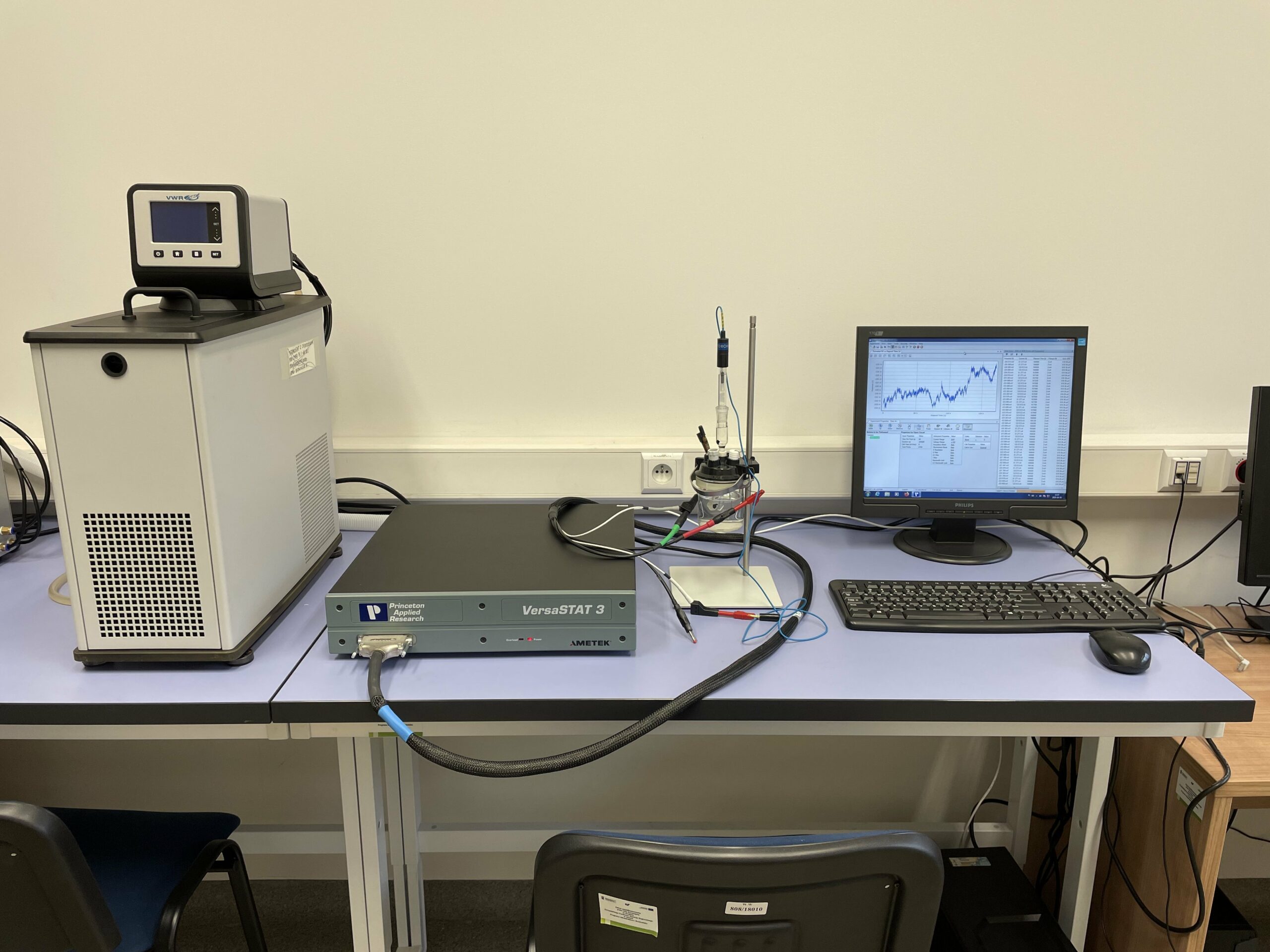
- VersaSTAT 3 potentiostat (AMETEK). An advanced research device for precise control of potential and current in electrochemical systems, also equipped with a frequency analyzer for impedance measurements. With a wide measurement range (±10 V, ±650 mA with expandability) and electrochemical impedance (EIS) measurement option from 10 µHz to 1 MHz, the system enables comprehensive analysis of electrochemical processes. The potentiostat is used in corrosion studies, analysis of batteries, supercapacitors, fuel cells, biomaterials, sensors, and electrode and coating deposition processes. High sensitivity, measurement stability, and VersaStudio software make it a versatile electrochemical tool.
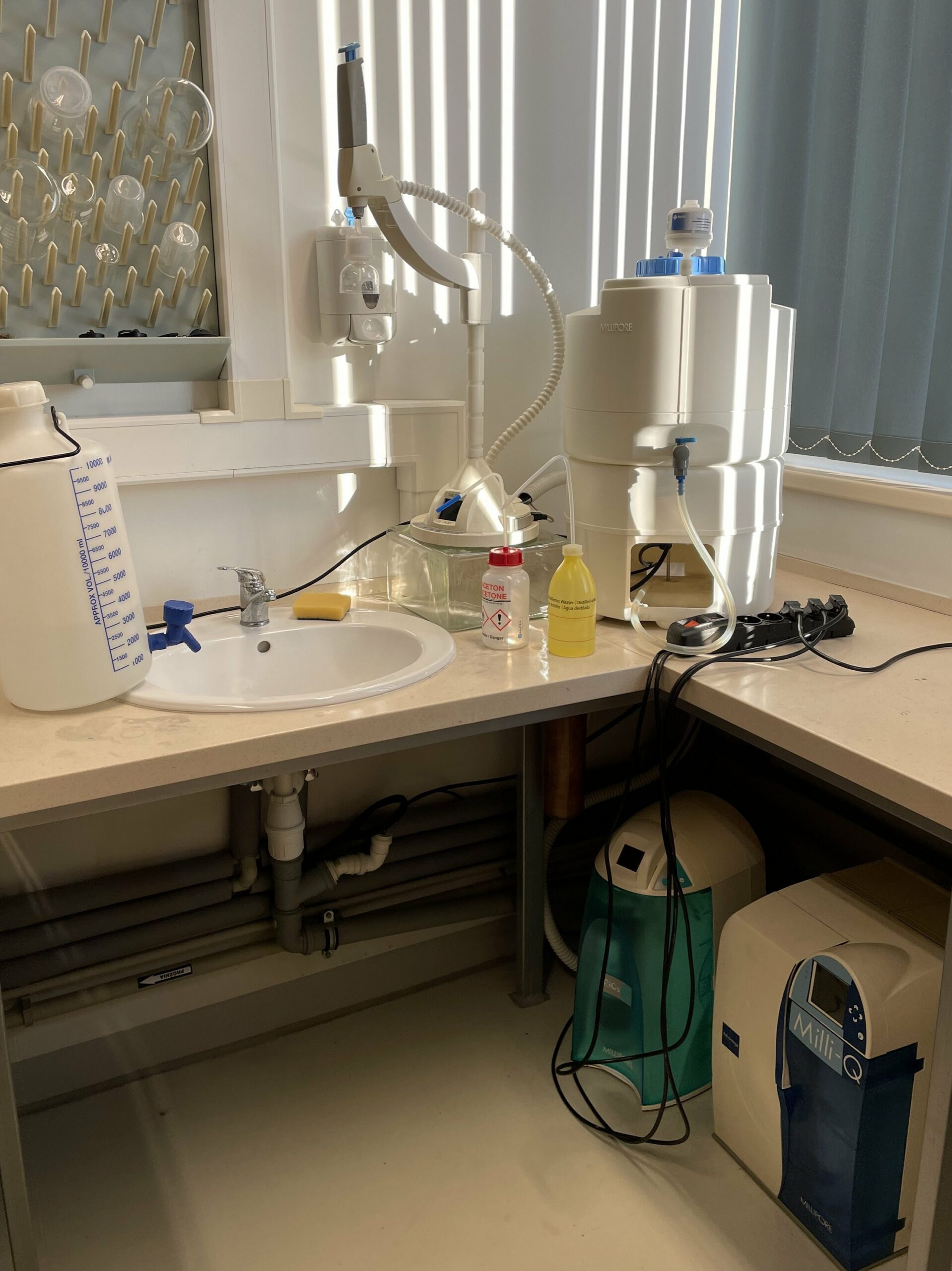
- MILLI-Q ADVANTAGE water purification system from Millipore (now Merck). An advanced laboratory water purification system designed to produce the highest purity water, Type I (ultrapure) water that meets ASTM, ISO, and CLSI standards. Using a multi-stage purification process (filtration, reverse osmosis, deionization, UV, and final filtration), the system removes ions, organic compounds, bacteria, and particulate matter. Water obtained from the MILLI-Q Advantage is used in biological, chemical, and pharmaceutical research, as well as in techniques requiring high purity, such as HPLC, ICP-MS, PCR, spectroscopy, cell culture, and the preparation of buffers and standard solutions.
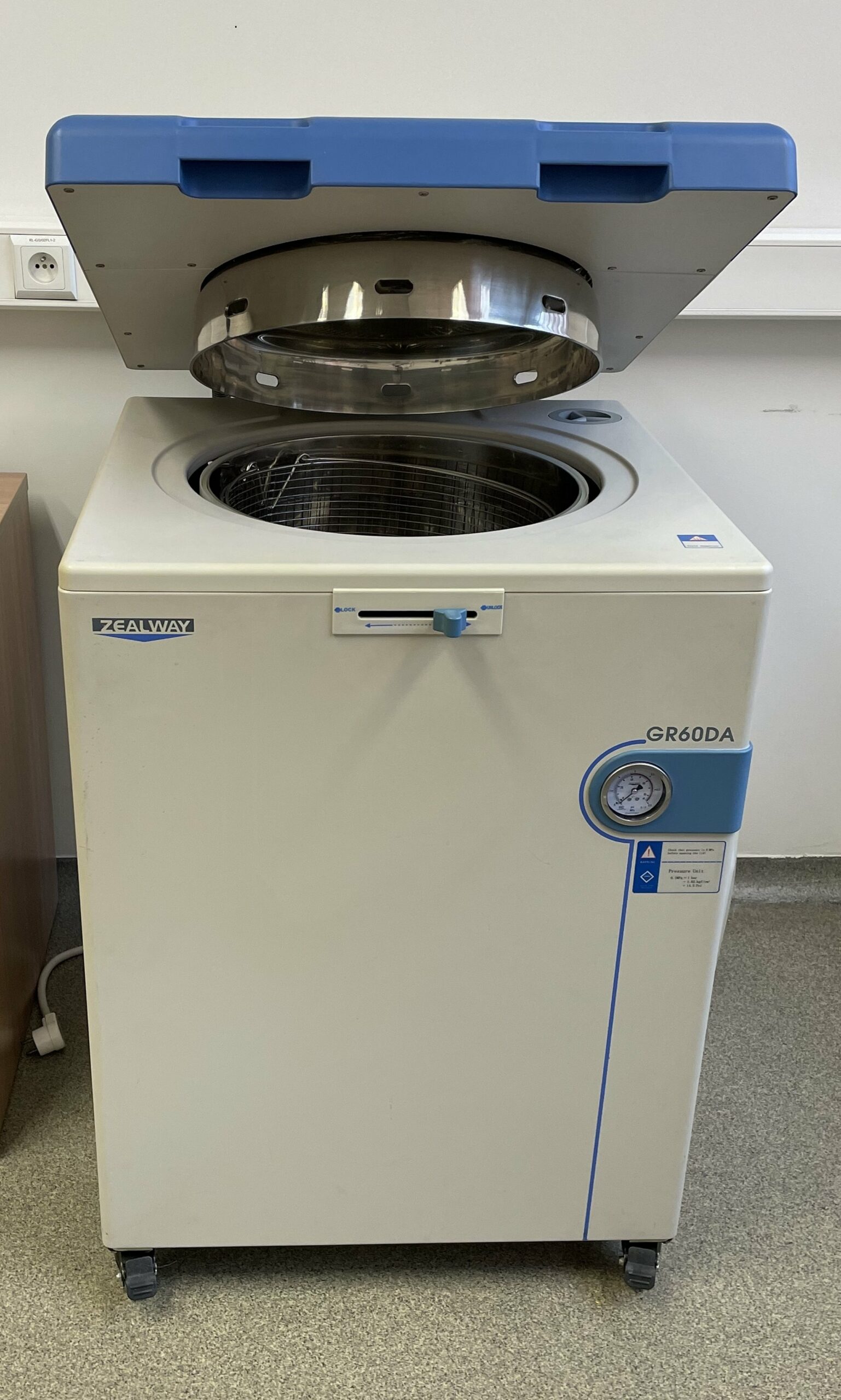
- GR60 DA autoclave. A modern device for sterilizing instruments, reagents, and laboratory materials using pressurized steam. It enables the effective and safe destruction of microorganisms, spores, and viruses on instruments, vessels, microbiological media, and biological waste. It features automatic sterilization process control, adjustable temperature and operating time, and built-in safety systems to protect against excessive pressure and overheating. With a chamber capacity of approximately 60 liters, it allows for the simultaneous sterilization of larger numbers of samples or vessels. The autoclave ensures repeatable results, meets standards for steam sterilization in scientific laboratories, and can be operated in laboratory waste sterilization mode.
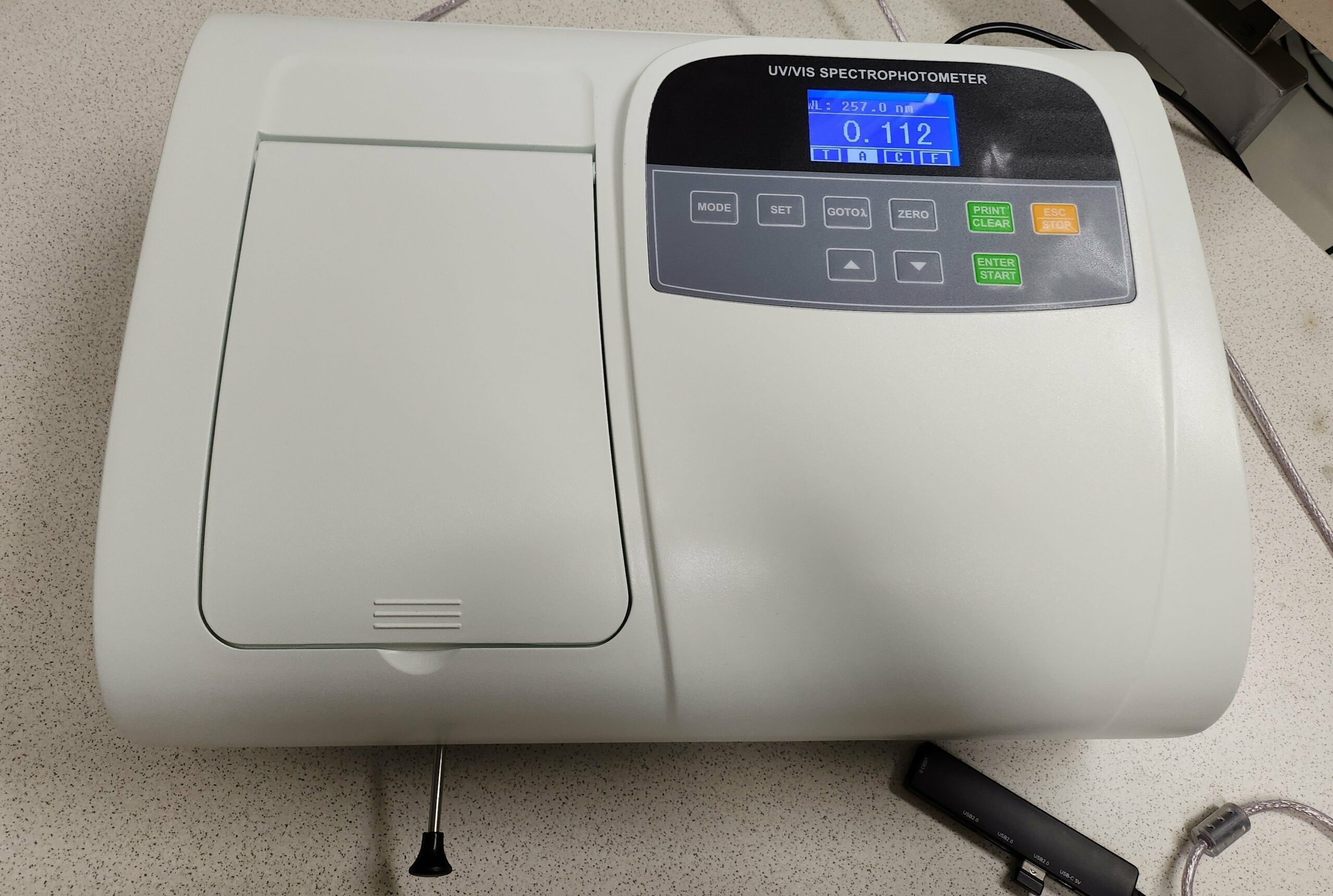
- PE2405001 Spectrophotometer (PerkinElmer). A precise analytical instrument used to measure light absorbance and transmittance in various wavelength ranges, most commonly in the UV-VIS region. It enables quantitative and qualitative analysis of chemical compounds in solutions by determining their characteristic absorbance spectra. The device is characterized by high measurement accuracy and light source stability. It allows for single-sample measurements, multicomponent analyses, and kinetic studies of chemical reactions. The spectrophotometer is used in analytical chemistry, biochemistry, molecular biology, pharmacy, and product quality control. It is used to determine substance concentrations, sample purity, and the analysis of enzymes, dyes, proteins, and nucleic acids, serving as a fundamental tool for quantitative and qualitative analysis.
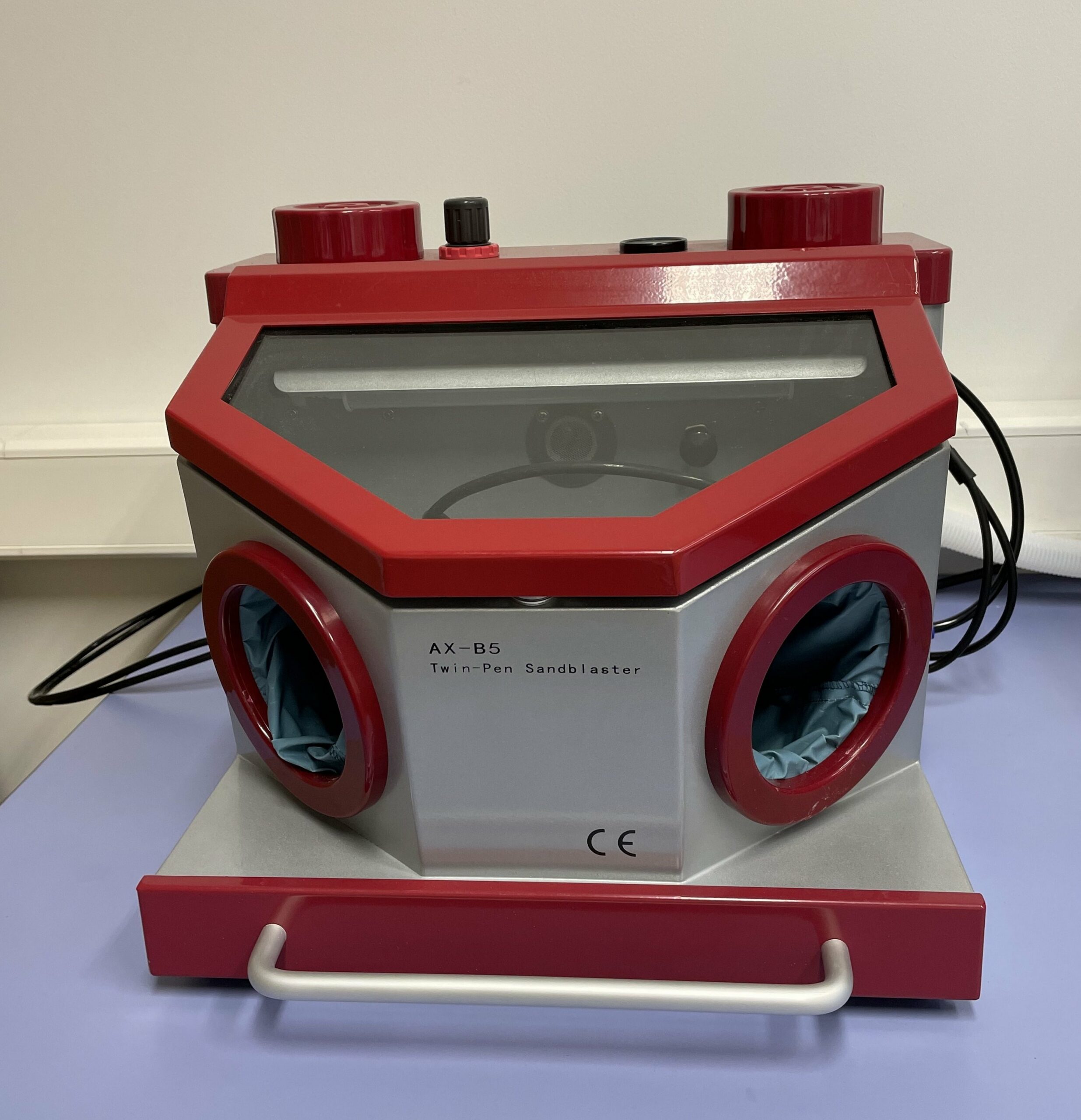
- AX-B5 4-Feather SANDBLASTING UNIT. The device designed for precise surface preparation and machining of metallic materials by removing impurities, oxides, and surface layers using fine-grained sand of varying sizes and abrasive hardness. The sandblaster allows for controlled modification of surface structure, which is crucial in electrochemical testing and material sample preparation. The ability to precisely adjust the blasting jet and direction ensures repeatability and high quality of prepared samples.
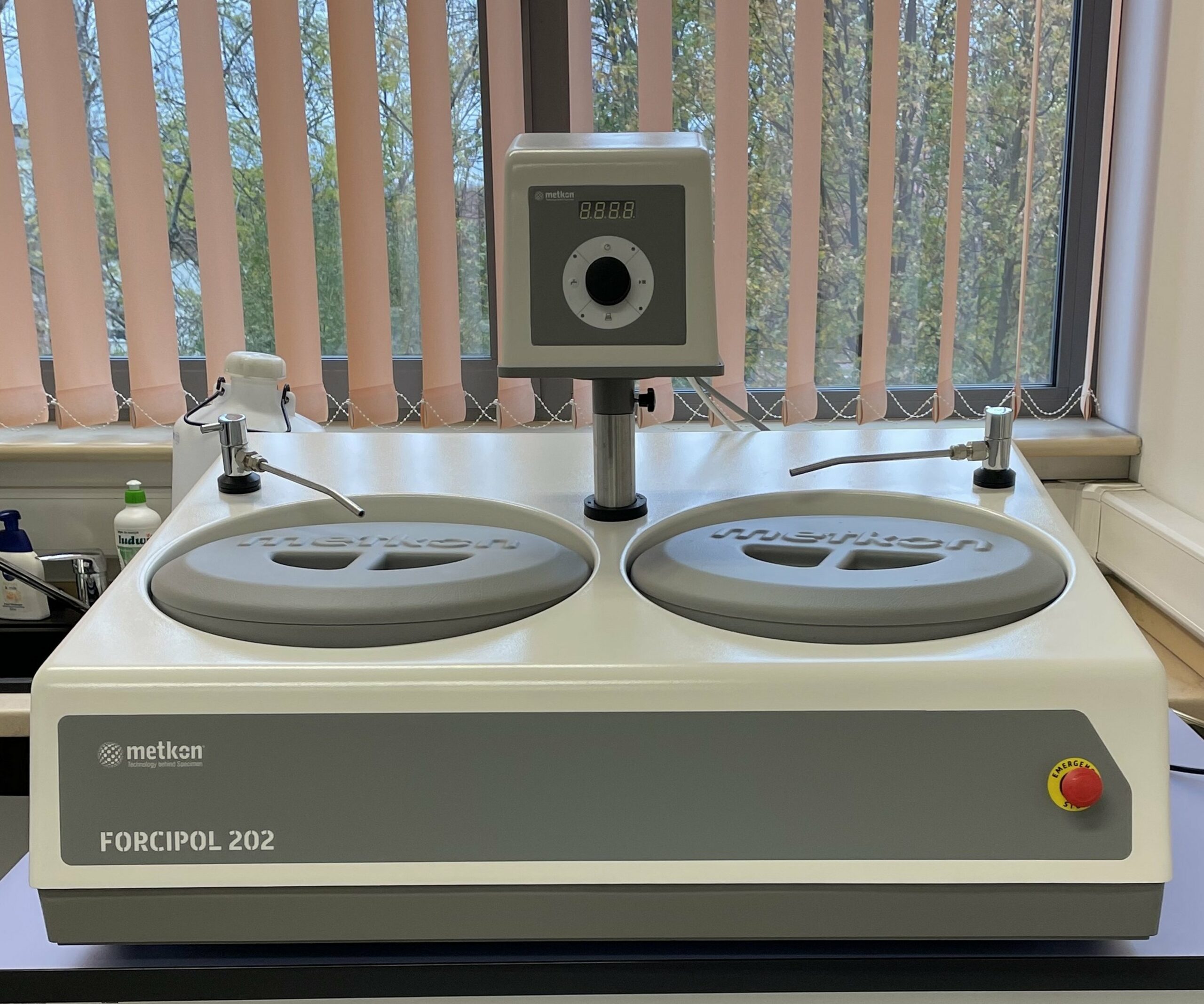
- Metkon FORCIPOL 202 POLISHING AND GRINDING MACHINE WITH CONTROL HEAD. This dual-disc laboratory grinding and polishing machine is used in the preparation of metal, ceramic, and composite samples. It is used for mechanical grinding and polishing of samples to obtain a smooth, scratch-free surface, essential for further electrochemical and microscopic examinations. The device has two working plates that can rotate at adjustable speeds, allowing for simultaneous processing of two samples or the use of different grits of abrasive materials