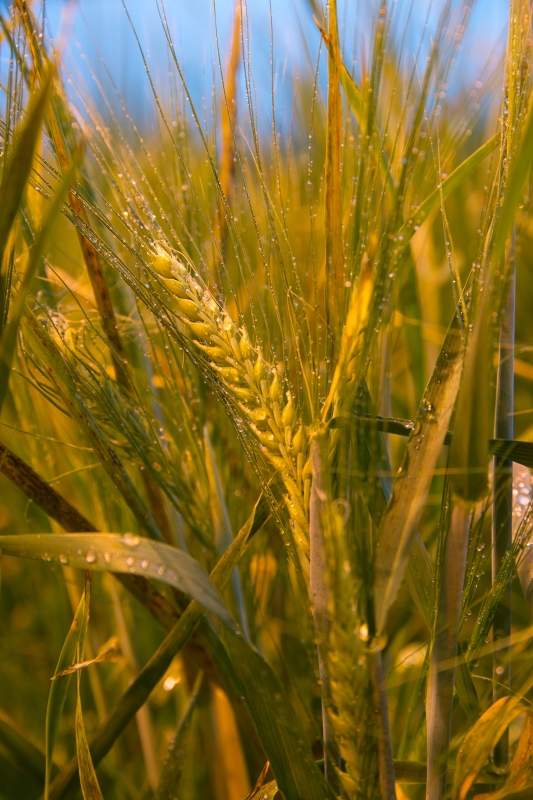





The New Genomic Techniques (NGT) Research Centre at the University of Silesia in Katowice has launched an official collaboration with Fundação Agrária de Pesquisa Agropecuária (FAPA), a Brazilian research foundation specialising in agricultural innovation. Their joint efforts will focus on the application of new genomic techniques (NGT) in barley breeding. The choice of a South American partner was driven by the region’s unique environmental conditions. Brazil, with its diverse climate zones, offers opportunities to test plants under a wide range of conditions – from high temperatures and drought to climates similar to those found in Central Europe. For researchers at the University of Silesia, this provides a natural laboratory where they can more rapidly assess how modified plant traits contribute to yield stability in the face of climate change.
Fundação Agrária de Pesquisa Agropecuária (FAPA) is a research institution closely connected to agricultural practice, as it operates alongside Cooperativa Agrária Agroindustrial, one of the largest agricultural organisations in Brazil. As a result, research on barley genetics has a direct impact on the needs of both the brewing and animal feed sectors. Another important factor is Brazil’s transparent regulatory framework, which enables efficient research on plants developed using genome-editing methods.