





For nearly five decades, scientists from the University of Silesia in Katowice have been conducting research in the Arctic, documenting the pace and impacts of environmental change in the polar region. From 6 to 21 August 2026, a team from the Centre for Polar Studies at the University of Silesia will once again travel to Svalbard to continue their observations in the Hornsund fjord area. It is one of the most rapidly changing regions of the Arctic, as well as one of the most extensively studied, scientifically significant, and spectacular.
The expedition aims to improve our understanding of the processes driving the rapid retreat of glaciers and their impact on the polar environment, as well as their broader, global implications in the context of ongoing climate change.
Hornsund is one of the most important natural laboratories for studying climate change in the Arctic. Retreating glaciers expose new areas of land, alter water circulation, and affect the transport of mineral sediments and nutrients into the sea, while also influencing the functioning of terrestrial and marine ecosystems. This year’s expedition will provide an opportunity to better understand the pace and mechanisms of these transformations. The research will combine traditional field measurements with modern remote-sensing methods, including satellite imagery analysis, aerial photogrammetry using drones, and measurements conducted directly on glaciers. The research will be carried out with the support of the Polish Polar Station Hornsund, named after Stanisław Siedlecki.
One of the research activities will involve continuous monitoring of calving at Hans Glacier, i.e. the process by which icebergs break away from the glacier terminus. Using automated cameras capturing images at short intervals over a period of approximately two weeks, researchers will be able to analyse the dynamics of the process and gain a better understanding of the mechanisms responsible for glacier mass loss. At the same time, water levels and discharge will be measured in one of the glacier streams, making it possible to link changes occurring on the glacier with the functioning of its hydrological system.
Research will also be conducted on Werenskioldbreen, near the Stanisław Baranowski Polar Station of the University of Wrocław. It will include mapping changes in the position of the glacier terminus and its forefield using drones. Particular importance will be attached to innovative hydrological and meteorological measurement techniques. The team will service the long-term monitoring system used to measure runoff from the land-terminating glacier. The data collected will help researchers better interpret changes in meltwater runoff and their impact on the polar environment.
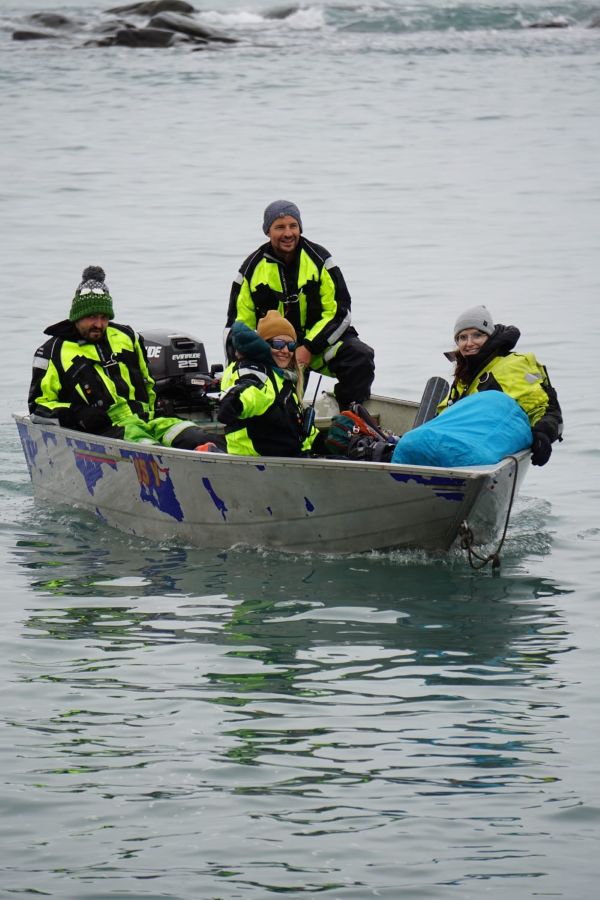
Maritime transport in Isbjørnhamna Bay | Photo: Dominik Cyran
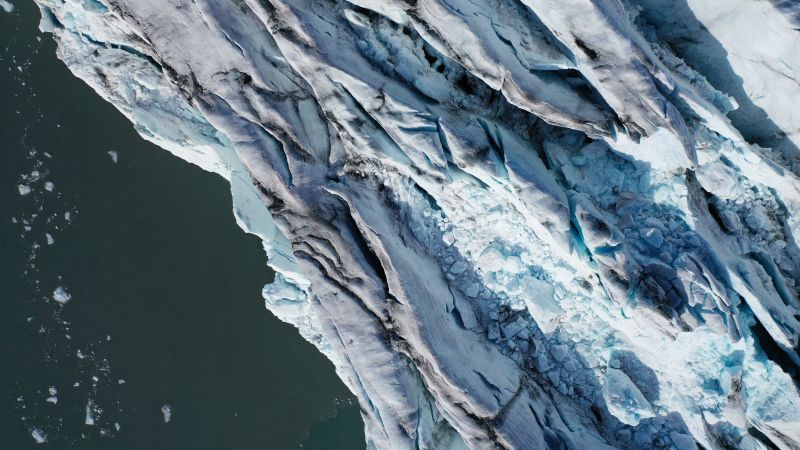
Glacial crevasses | Photo: Natalia Łatacz
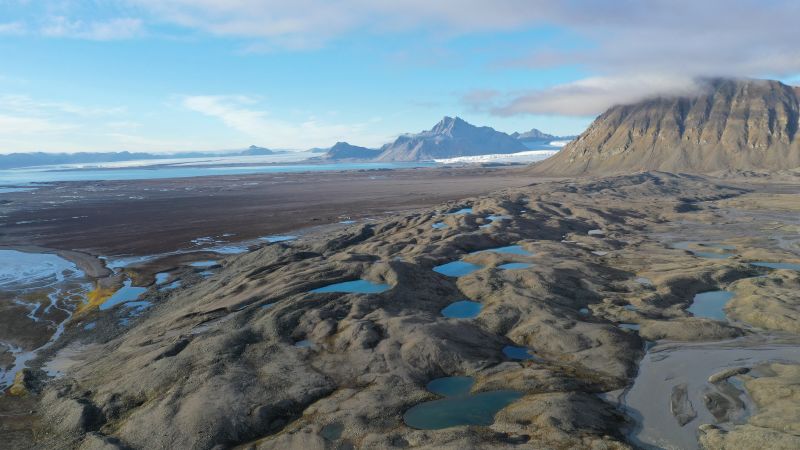
Werenskioldbreen forefield | Photo: Natalia Łatacz
The expedition brings together researchers with many years of polar field experience and early-career scientists. The University of Silesia team includes Elżbieta Łepkowska, PhD (expedition leader), Prof. Jacek A. Jania, Michał Ciepły, PhD, and PhD students from the International Environmental Doctoral School (MŚSD): Natalia Łatacz, MSc; Dawid Saferna, MSc; and Katarzyna Stachniak, MSc. The team is also joined by Jacek D. Jania, a student serving as a volunteer field assistant.
The research is being conducted as part of projects led by the University of Silesia’s Centre for Polar Studies, including the international LIQUIDICE project (Linking and Quantifying the Impacts of Climate Change on Inland Ice, Snow Cover, and Permafrost on Water Resources and Society). The results will contribute to a better understanding of the rate of Arctic glacier retreat, as well as changes in the water cycle and the functioning of polar ecosystems.
The expedition is also an important element in the training of the next generation of researchers. Natalia Łatacz and Dawid Saferna are conducting their research as part of their doctoral studies at the International Environmental Doctoral School, with additional support from the University of Silesia’s Research Excellence Initiative (IDB). Katarzyna Stachniak is conducting research funded by the National Science Centre under the PRELUDIUM 21 programme as part of the project Hydrological modelling of the response of glacierised catchment drainage to Arctic climate warming, which focuses on modelling the response of runoff systems in Arctic glacierised catchments to ongoing climate warming.
The research contributes to Priority Research Area 3 (POB 3) – Environmental and Climate Change and Related Societal Challenges at the University of Silesia.
Follow our social media channels for regular updates, photos, and other materials from the expedition: Facebook, Instagram i TikTok.
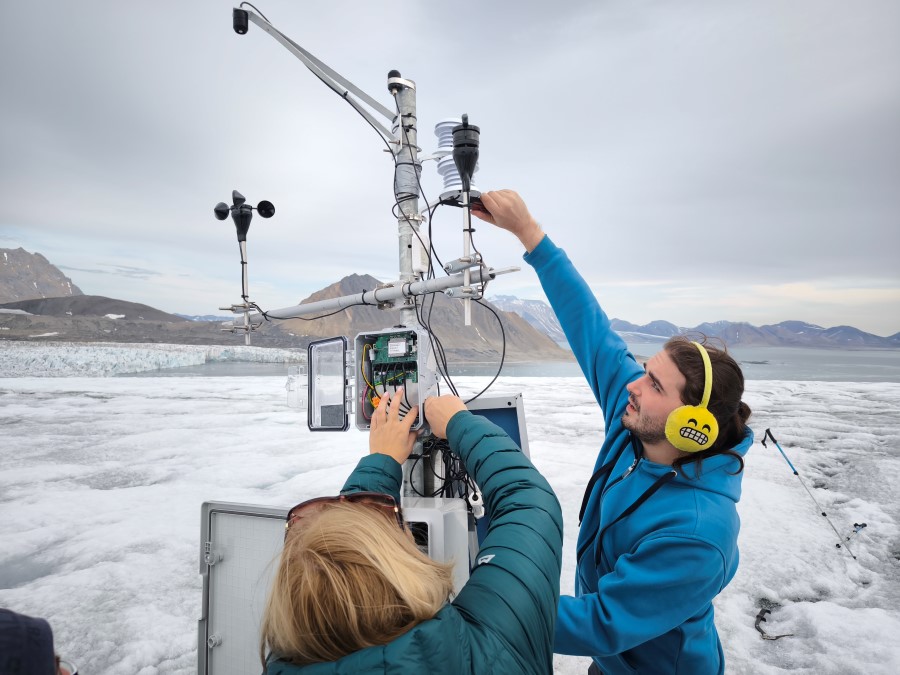
Maintenance of an automatic weather station on a glacier | Photo: Natalia Łatacz